Learn it. Practice it. Review it.
Learn how to invest, one decision at a time
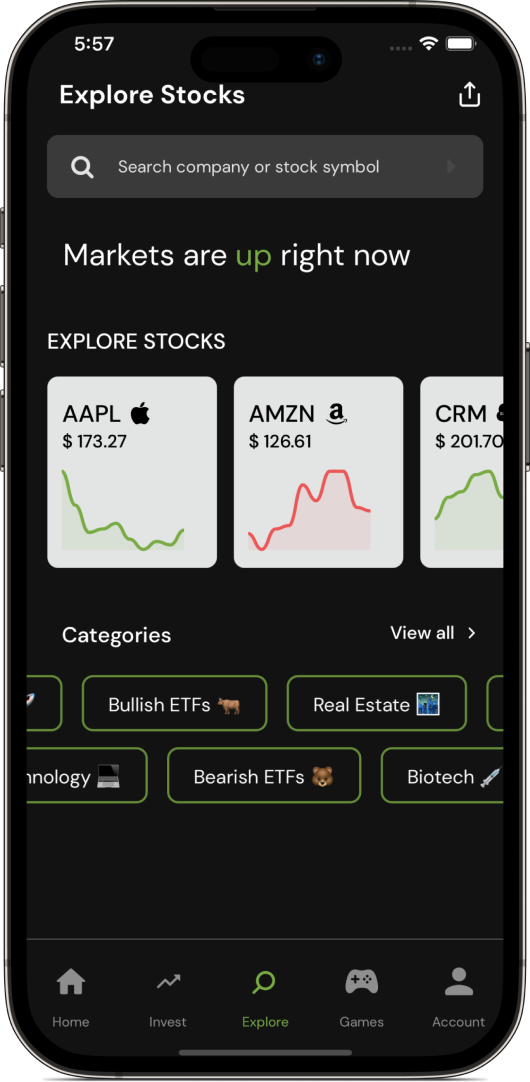
Start with investing basics, learn what a stock represents, and practice using virtual money. This beginner path connects Redvest lessons, research guides, and the stock market simulator so you always have a next step.
Virtual money only. No deposit needed. Educational content, not personal investment advice.
Your next steps
- STEP 1
Start with the language
Get comfortable with stocks, funds, risk, and time horizons before choosing what to practice. Follow a roadmap that puts financial foundations before market decisions.
Read the beginner roadmap → - STEP 2
Understand what you own
A ticker and a price chart tell only part of the story. Work through the curriculum to learn about company financials, order types, and portfolio management.
Open the investing lessons → - STEP 3
Try a small practice exercise
Research a company, write down why you are interested, and explore a simulated order. Redvest starts new practice accounts with $100,000 in virtual cash. Choose your own practice size rather than using the whole balance.
Follow the paper-trading guide → - STEP 4
Review the whole portfolio
Learn how concentration and diversification affect a portfolio. Write down what you learned and what you would investigate next. One profitable virtual trade does not establish a reliable strategy.
Learn about portfolio construction →
Before you start
Can I learn before putting real money at risk?
Yes. Redvest combines lessons, quizzes, games, and a virtual-money simulator. The simulator does not require a real-money deposit.
Where should a complete beginner start?
Begin with investing language and your learning goal. Read the beginner roadmap, take the introductory lessons, and practice one concept at a time. For decisions about your own finances, consider your circumstances and qualified professional advice.
Will practice profits predict real investing results?
No. Simulation cannot reproduce every execution detail, cost, or emotional response involved in real investing. Use it to learn mechanics and review decisions, not to forecast returns.
For independent investor education, visit the SEC’s Investor.gov introduction to investing. Read our investing guides for more examples and sources.