Practice Lab
Paper Trading: The Beginner Playbook That Builds Real Skills
Learn how to use a virtual stock market simulator to practice research, position sizing, journaling, and portfolio decisions without real money.
The short version
- Treat virtual money like a limited resource so the practice stays meaningful.
- Measure decision quality, not only virtual profit.
- Simulation teaches mechanics, but it cannot recreate every emotion, fee, tax, or execution detail of real investing.
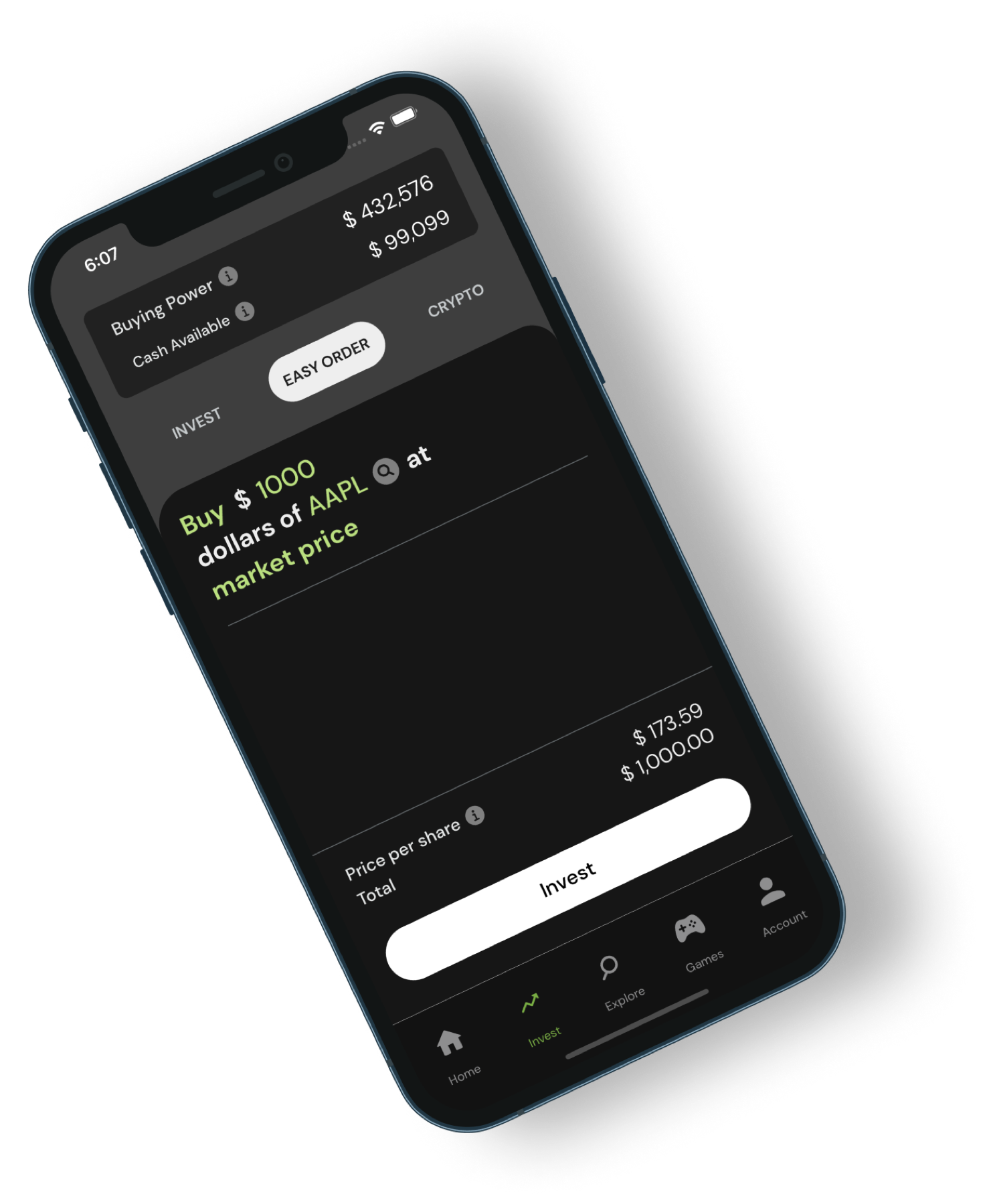
Paper trading is simulated investing with virtual money. It is useful because mistakes become lessons instead of bills—but only if you give the experiment rules.
Set up one clean experiment
- Choose one learning goal, such as diversification or understanding order types.
- Set a realistic virtual balance and a maximum position size.
- Write why you would buy before you tap buy.
- Decide what evidence would change your mind.
- Review on a schedule instead of reacting to every price move.
Use a process scorecard
| Weak signal | Useful signal |
|---|---|
| One virtual winner | A documented decision you can explain |
| Constant trading | Following a planned review schedule |
| A high return alone | Risk, diversification, and consistency together |
| Copying a creator | Checking the original company or fund information |
Know what simulation cannot teach
Try a seven-session challenge
Spend the first two sessions learning the interface and researching. Use the next three to build and monitor a small diversified watch portfolio. In the final two, review every decision and write one rule you would keep and one you would change.
Sources and further reading
- Investing Basics — FINRA
- Financial Tips for New Investors — FINRA
Educational content only—not personalized investment, legal, or tax advice. Investing involves risk, including possible loss of principal. Simulated results do not predict real-world performance.